
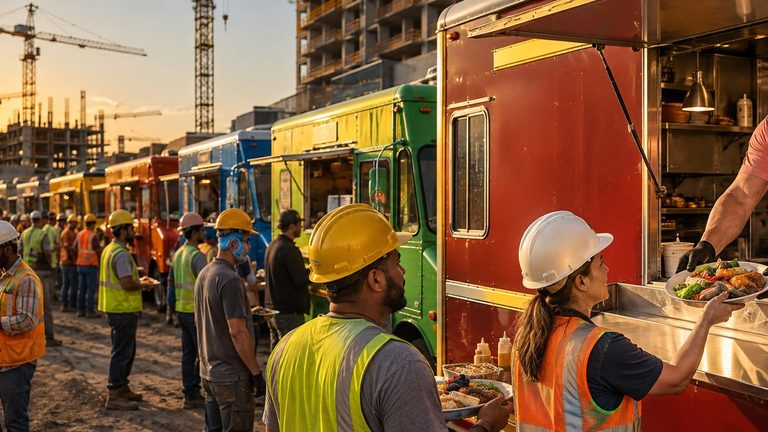
Feeding the Job Site in 2026: How Smart Routing Is Changing Food Trucks and Construction Crews
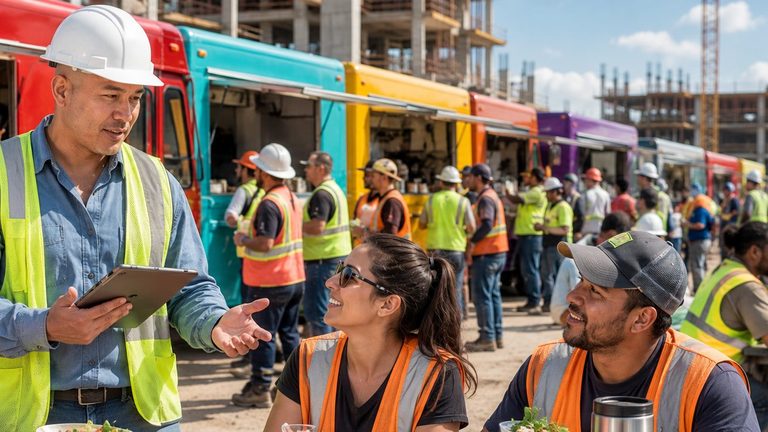
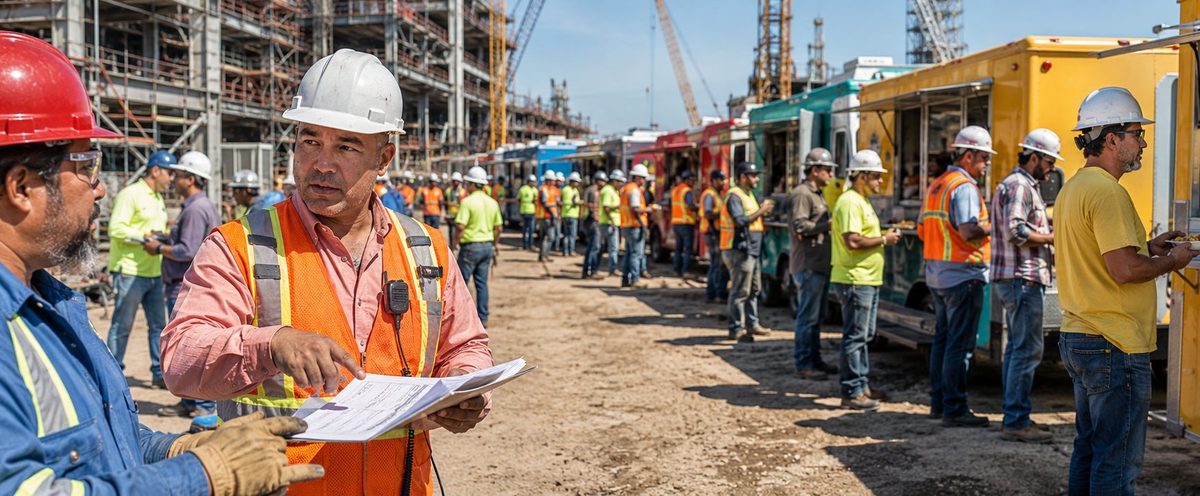
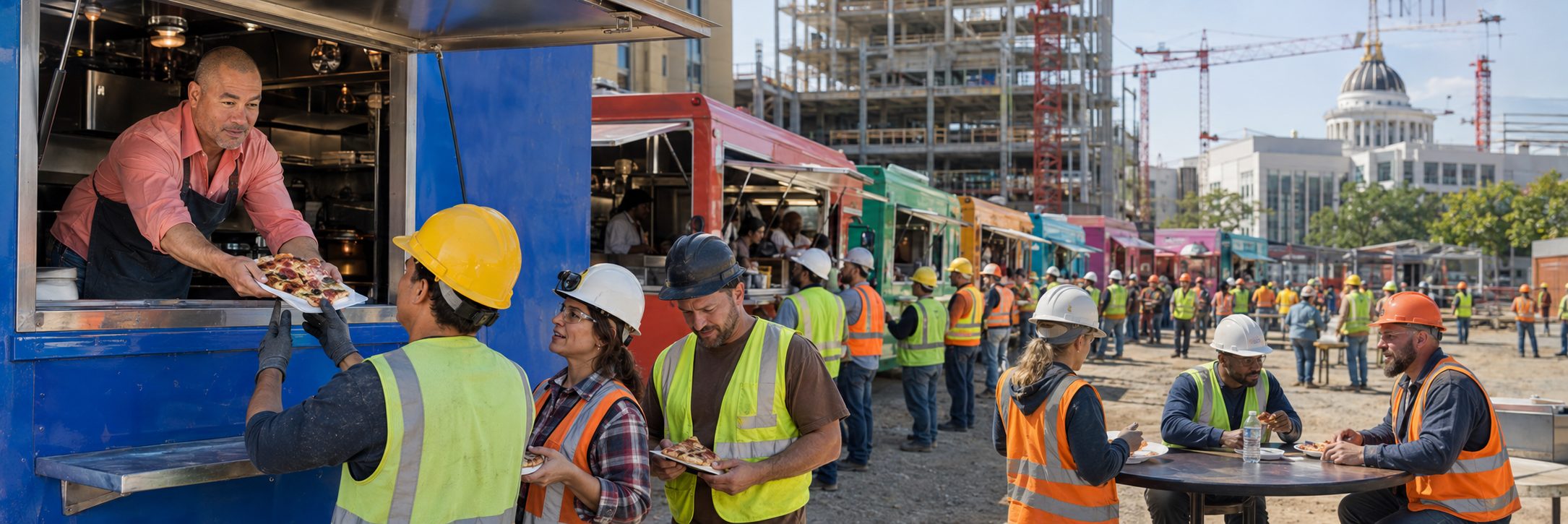
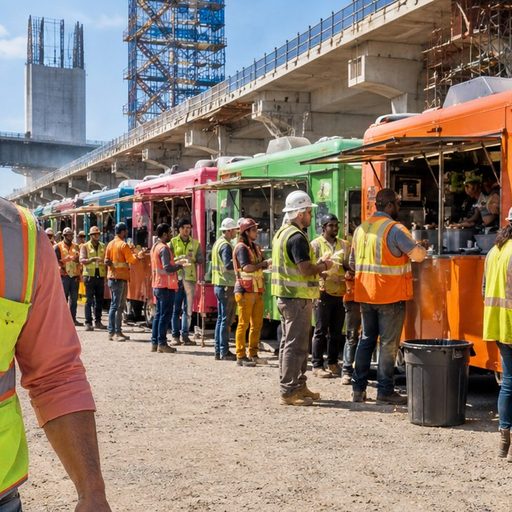
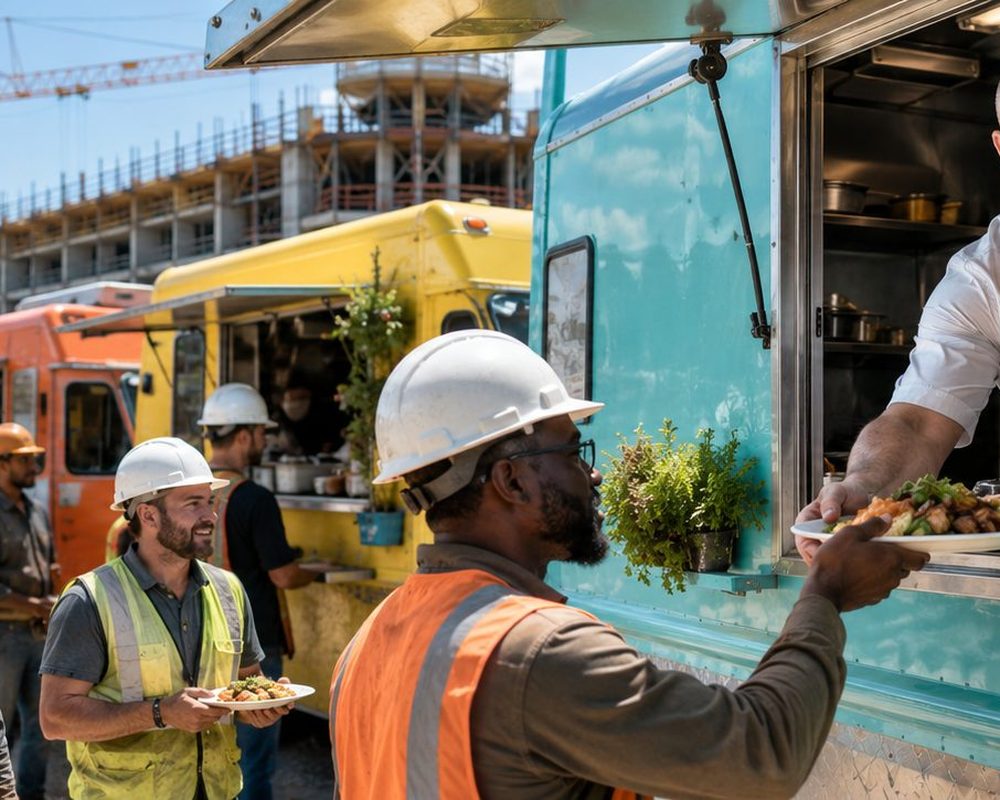
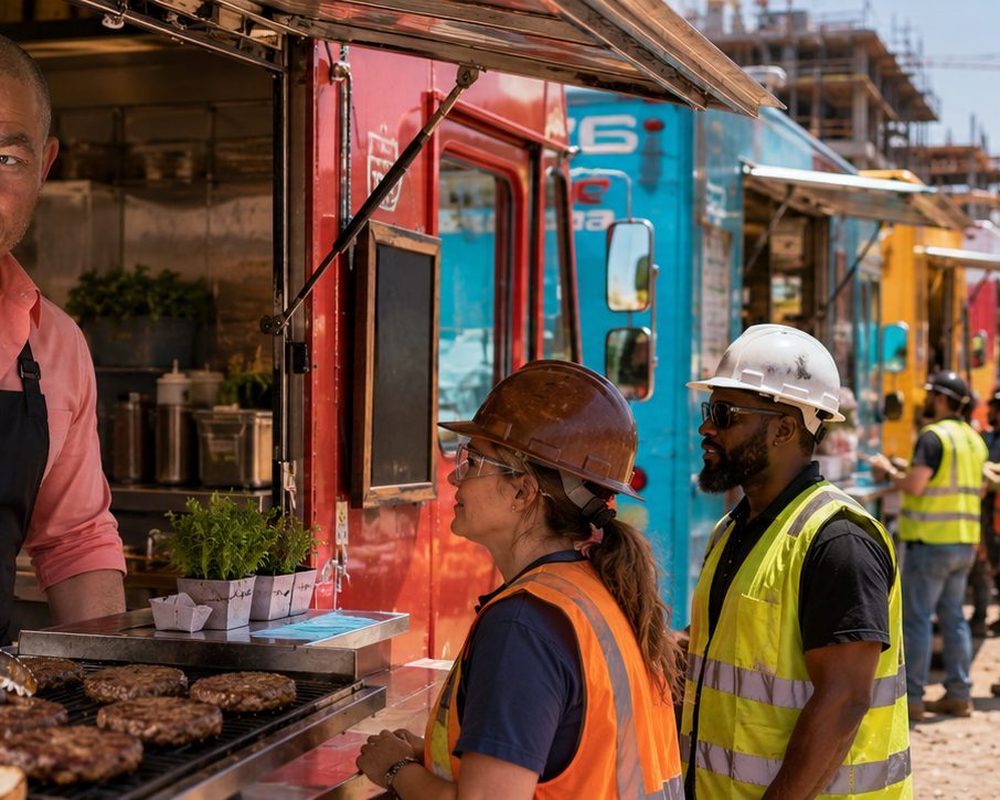
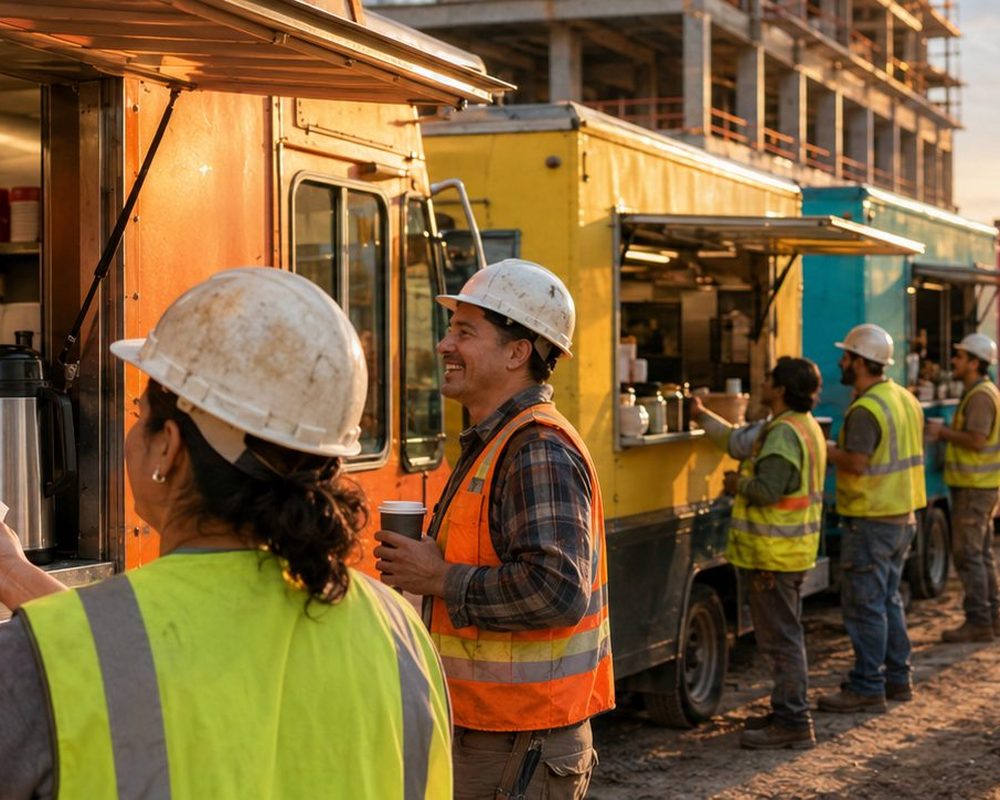
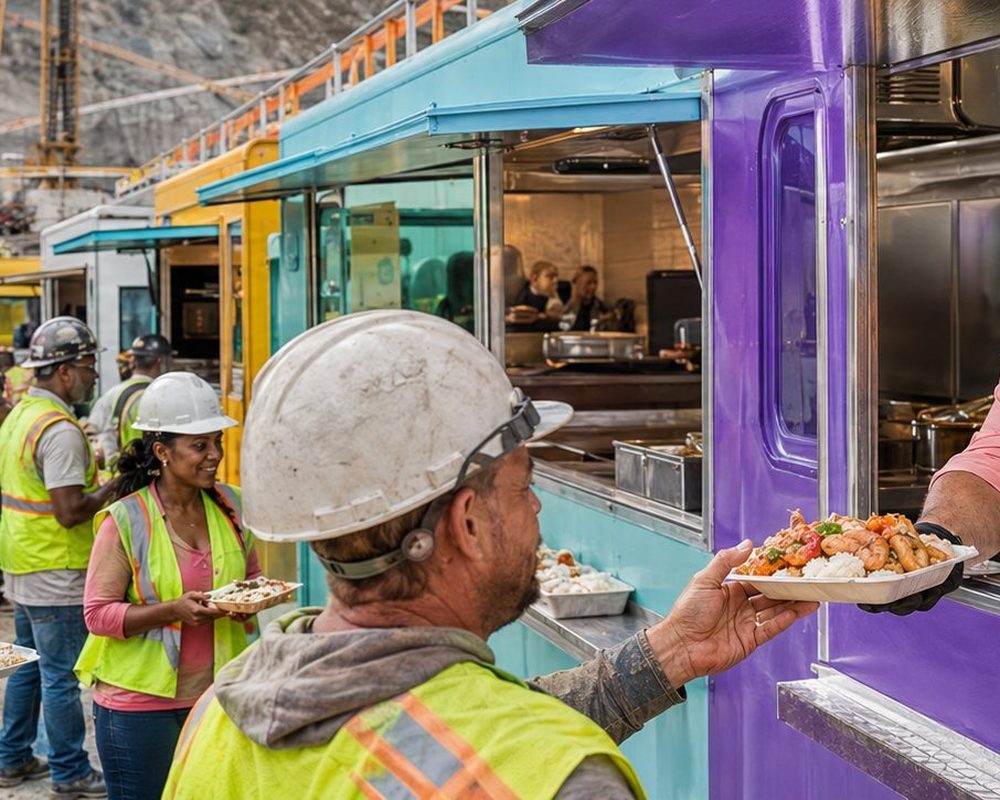
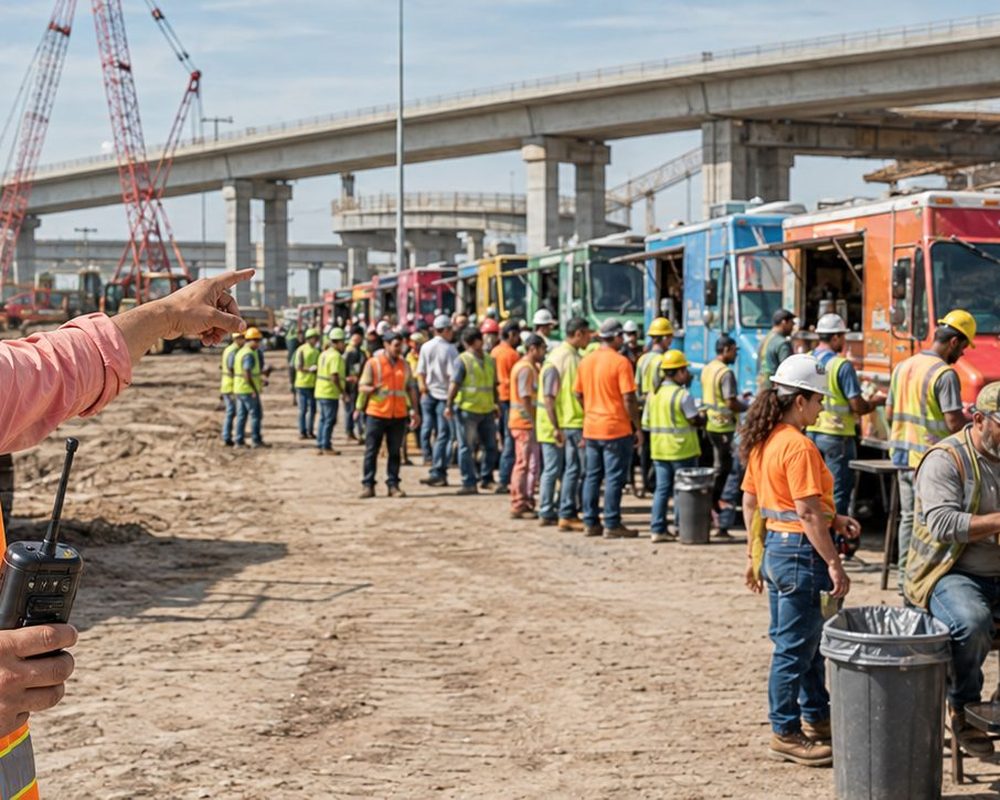
A construction crew's lunch break is a logistics problem disguised as a meal. Thirty minutes, a site that may be twenty minutes from the nearest commercial strip, and a workforce that has been on its feet since before sunrise — get it wrong and the afternoon starts late, tempers included. Get it right and the same thirty minutes becomes the most reliable morale investment on the schedule. Smart routing simply removes the guesswork from both sides: the contractor knows what is arriving and when, and the operator knows exactly how many people are waiting.
The scale involved explains why this keeps mattering. The U.S. Bureau of Labor Statistics reported a median annual wage of $46,050 for construction laborers and helpers in May 2024 and projects 7 percent employment growth from 2024 to 2034 — much faster than average — with roughly 149,400 openings each year. Those crews move constantly between sites, which is precisely why a fixed restaurant cannot serve them and a routed mobile kitchen can. Demand does not sit still, so neither should lunch.
For the food side, the economics are just as pointed. BLS put median pay across food preparation and serving occupations at $34,130 in May 2024, with about 2.6 million openings projected annually across those roles. Mobile operators live and die on utilization: an hour parked in a slow location is an hour of labor, fuel, and inventory that never converts. A confirmed stop with a known headcount turns a speculative shift into a scheduled one, which is the single biggest difference between a truck that survives its second year and one that does not.
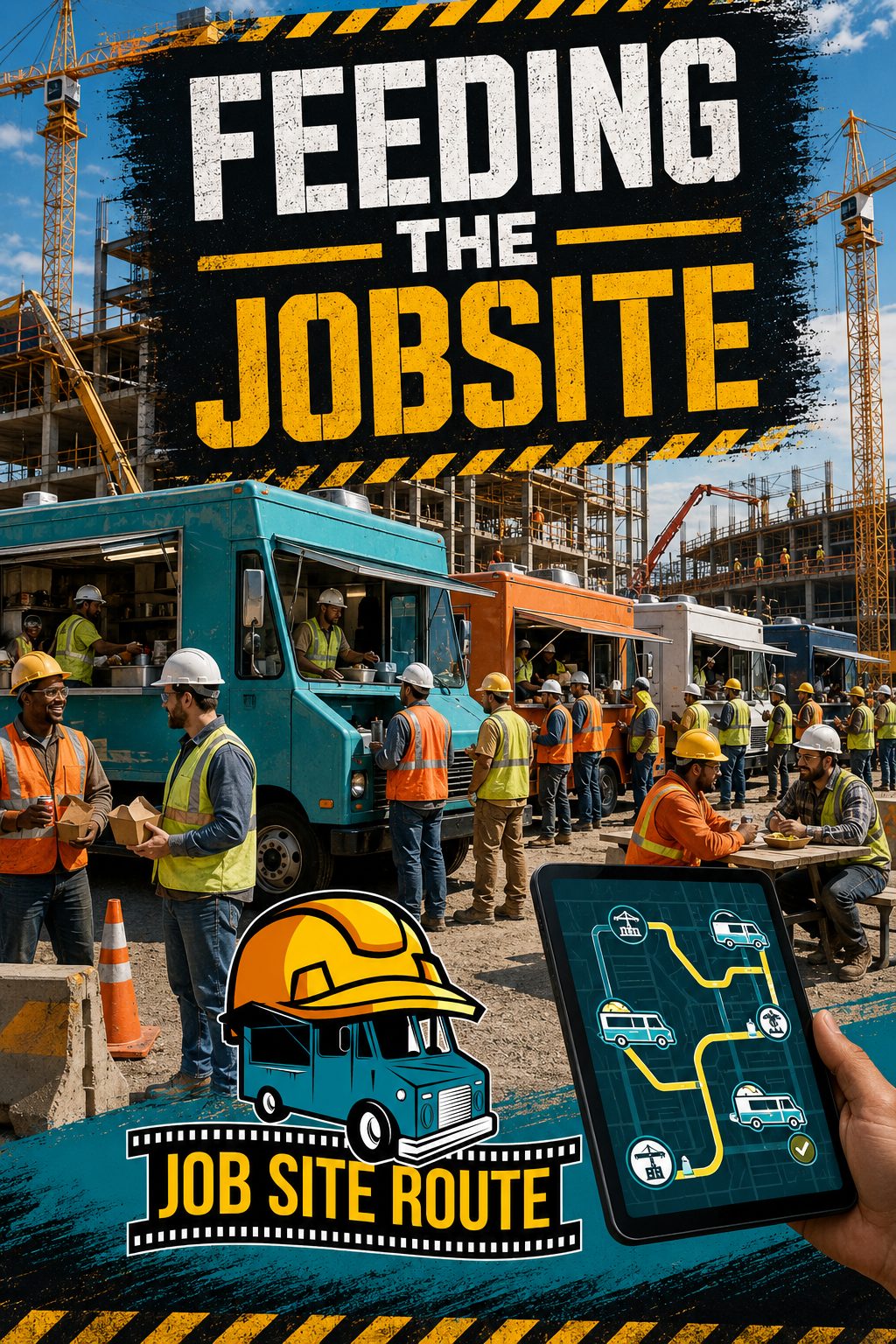
That is the entire premise of Job Site Route. Contractors post their sites, headcounts, and windows; vetted mobile food operators claim the stops that fit their day; both sides get a route that actually works instead of a rumor about where the crews are. No cold lunches, no drive-out-and-hope, no foreman fielding complaints at 12:40. If you run crews, post your next site and see who shows up. If you run a truck, claim a stop this week and let a full schedule make your case for you.
Sources: U.S. Bureau of Labor Statistics — Construction Laborers and Helpers; U.S. Bureau of Labor Statistics — Food Preparation and Serving Occupations